

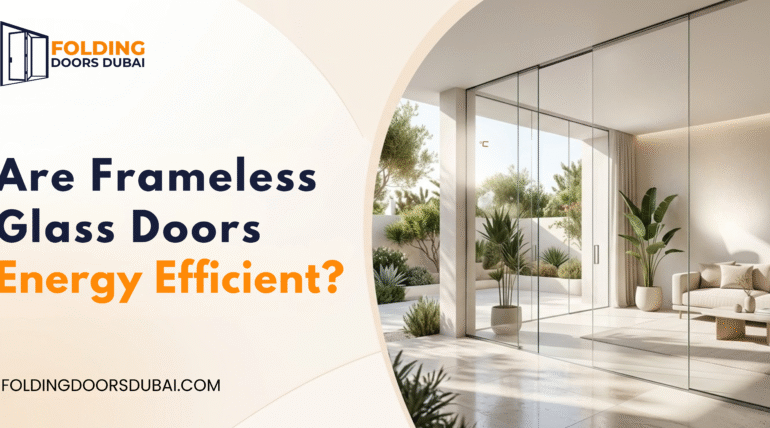
Frameless glass doors have become a popular choice in modern homes, villas, offices, and commercial spaces because of their sleek appearance and ability to create open interiors. Many homeowners love these doors because they allow more natural light and give spaces a modern luxury feel. However, one of the biggest concerns people have is whether frameless glass doors are energy efficient. Since glass naturally transfers heat more easily than solid walls, many assume that glass doors increase indoor temperatures and energy costs. The reality is that modern frameless glass doors are now built with advanced technologies that improve insulation and reduce heat transfer. Features such as double glazing, Low-E coatings, laminated glass, and thermal insulation systems help make these doors much more energy efficient than older glass designs. When installed properly, frameless glass doors can improve indoor comfort, reduce cooling costs, and support modern energy-saving homes. This guide explains how frameless glass doors improve energy efficiency and why they are suitable for modern properties.
Are Frameless Glass Doors Energy Efficient?
Modern Glass Technology Improves Efficiency
Modern frameless glass doors are very different from traditional single-pane glass systems. Today’s energy-efficient doors use advanced glass technologies designed to reduce heat transfer and improve insulation. Double-glazed and laminated glass systems help maintain indoor temperatures by limiting outside heat from entering the property. Many modern frameless doors also include Low-E coatings that reflect heat while still allowing natural light inside. Experts explain that energy-efficient glass systems can significantly improve indoor comfort and reduce pressure on air conditioning systems. These technologies make frameless glass doors suitable for both residential and commercial spaces, especially in warm climates where temperature control is important.
Double Glazing Reduces Heat Transfer
Double glazing is one of the most effective features for improving the energy efficiency of frameless glass doors. Double-glazed systems use two glass panels separated by an air or gas-filled gap that acts as insulation. This extra layer helps reduce heat transfer between indoor and outdoor environments. Homes with double-glazed frameless doors often remain cooler during summer and warmer during winter. The insulation also improves indoor comfort by reducing sudden temperature changes. Energy experts explain that double glazing can help lower cooling and heating costs because indoor climate control systems work more efficiently. This makes double-glazed frameless glass doors a smart investment for long-term energy savings.
Low-E Glass Enhances Thermal Performance
Low-E glass, also known as low-emissivity glass, plays a major role in improving the thermal performance of frameless glass doors. This special glass includes a microscopic metallic coating that reflects infrared heat while allowing visible light to pass through. In simple terms, it keeps unwanted heat outside without blocking natural daylight. Low-E technology is especially useful in hot climates because it reduces solar heat gain and improves indoor comfort. Many modern homes and villas now use Low-E frameless glass systems to improve energy efficiency. By reducing the amount of heat entering the property, Low-E glass helps decrease air conditioning usage and lowers electricity costs over time.
Natural Light Reduces Electricity Usage
One major benefit of frameless glass doors is the amount of natural light they allow into a space. Large glass panels brighten interiors naturally, reducing the need for artificial lighting during the day. This can help lower electricity usage and create a more comfortable atmosphere inside the property. Natural daylight also improves the visual appearance of interiors, making spaces feel larger and more open. Modern energy-efficient glass allows homeowners to enjoy natural lighting without excessive heat gain. Designers often recommend frameless glass doors for open-plan layouts because they combine energy savings with modern aesthetics. Better daylight usage contributes to both comfort and overall energy efficiency.
Related : How Glass Walls Maximize Space in Small Areas
Insulated Glass Improves Indoor Comfort
Insulated frameless glass doors help create a more stable indoor environment by reducing temperature fluctuations. Advanced glass systems are designed to limit heat transfer while also improving sound insulation. This means interiors stay cooler during hot weather and quieter in busy environments. Improved insulation reduces dependence on air conditioning and heating systems, which helps lower energy consumption. Homeowners often notice more consistent indoor temperatures after upgrading to insulated frameless glass systems. These doors not only improve comfort but also support sustainable living by reducing unnecessary energy usage. Proper insulation is one of the key reasons why modern frameless glass doors are considered energy efficient today.
Thermal Break Frames Increase Efficiency
Although frameless glass doors focus mainly on glass panels, many systems still include minimal supporting structures and hardware. Modern energy-efficient systems often use thermal break technology within aluminium components to reduce heat transfer. Thermal breaks create a barrier that slows the movement of heat through metal parts of the door system. Without thermal insulation, aluminium can conduct heat quickly and reduce overall efficiency. Combining insulated glass with thermal break hardware creates better overall performance for frameless systems. This technology is especially important in hot climates where reducing indoor heat gain is a major priority for homeowners and businesses.
Proper Installation Matters
Even high-quality frameless glass doors may lose energy efficiency if they are not installed correctly. Poor sealing, gaps, and incorrect alignment can allow air leakage, reducing insulation performance. Professional installation ensures the glass panels, tracks, and seals fit properly to maintain thermal efficiency. Experts recommend using experienced installers and certified materials to achieve the best results. Proper installation also improves long-term durability and smooth door operation. Homeowners who invest in quality installation often experience better indoor comfort and lower energy costs. Energy-efficient glass technology works best when combined with professional fitting and proper maintenance practices.
Long-Term Energy Savings
Although energy-efficient frameless glass doors may cost more initially, they often provide long-term savings by reducing cooling and lighting expenses. Improved insulation helps maintain indoor temperatures more efficiently, lowering electricity consumption over time. Natural daylight also reduces the need for artificial lighting during daytime hours. Many homeowners consider frameless glass doors a valuable investment because they improve comfort, aesthetics, and property value while supporting energy efficiency. Modern architectural trends continue to favor energy-efficient glass systems because they combine sustainability with luxury design. Over time, the reduction in energy usage can help offset the higher installation cost of premium frameless glass systems.
FAQs
Are frameless glass doors energy efficient?
Yes, modern frameless glass doors with double glazing and Low-E glass are energy efficient.
What makes frameless glass doors energy efficient?
Features like insulated glass, Low-E coatings, and thermal break systems improve efficiency.
Do frameless glass doors reduce electricity bills?
Yes, they can lower cooling and lighting costs by improving insulation and natural daylight.
Is double glazing important for glass doors?
Yes, double glazing reduces heat transfer and improves indoor temperature control.
Are frameless glass doors suitable for hot climates?
Yes, modern energy-efficient systems are designed to perform well in hot environments like Dubai.
Conclusion
Frameless glass doors can be highly energy efficient when built with modern insulation technologies and installed correctly. Features such as double glazing, Low-E coatings, insulated glass, and thermal break systems help reduce heat transfer and improve indoor comfort. Unlike older single-pane glass designs, modern frameless doors are designed to support energy-saving homes and commercial spaces. They also allow more natural light, reducing the need for artificial lighting and creating brighter interiors. Homeowners who invest in high-quality frameless glass systems can enjoy modern aesthetics, better comfort, and lower energy consumption over time. In today’s architecture, frameless glass doors are not only stylish but also a practical solution for energy-efficient living.
